






Module 1: Introduction to Mediation
Conflict shows up everywhere, and the critical moment is the first few minutes when tension spikes. This short intro is your first step into mediation: you will learn what mediation is, when it is safe and useful, a simple 5 step map, and three calm mediator sentences to stop a spiral. You'll set basic ground rules, spot red flags, and write a clear who-what-when agreement. Not full training yet, but enough to start and feel the pull of what comes next.
Learn More
38
96

Module 2: Basics Of Communication
Basics of Communication helps you communicate clearly and confidently. Learn verbal and non-verbal communication, active listening, how to express yourself simply, understand your audience, and build stronger connections. These skills support relationships, teamwork, and conflict handling in daily life.
Learn More
21
76

Module 3: Dialogue and the Art of Shared Understanding
This module helps you have better conversations, even when people disagree. You'll learn what real dialogue is (not debate), how to listen with respect, ask better questions, and share your view without pushing. You'll practise simple dialogue habits and learn how to balance speaking up and staying curious. At the end, you will try planning and leading a short dialogue session on a topic you choose.
Learn More
30
77

Module 4: About Conflicts and Conflict Resolution
Learn what conflict is, why it happens, and how to handle it in a calmer way. You'll explore common conflict causes (different views, unmet needs, communication problems) and practise simple strategies like avoiding, accommodating, negotiating, compromising, and collaborating. This module helps you choose better responses and turn conflict into learning and growth.
Learn More
58
70

Module 5: Emotions
This module helps you understand emotions and their role in daily life. You'll learn to recognize emotions, understand how they affect thinking and behavior, and practise healthy ways to express and regulate them. The course builds emotional awareness and resilience, supporting better communication, relationships, and conflict handling.
Learn More
25
75

Module 6: Stereotypes
This module helps you understand what stereotypes are and how they influence thinking, communication, and conflict. You'll explore different types of stereotypes, learn how they can affect mediation and relationships, and practise recognizing and challenging them through reflection, scenarios, and interactive activities.
Learn More
36
99

Module 7: Cultural Differences
In this module, you will learn how cultural differences shape communication, values, social rules, and conflict. You'll explore how culture affects greetings, respect, emotions, and decision-making, and you will practise responding with more empathy, curiosity, and openness in diverse situations.
Learn More
28
67

Module 8: Introduction to Critical Thinking
This module introduces practical critical thinking skills supported by dialogue. You'll learn how to question assumptions, listen carefully, suspend quick judgments, and respect different perspectives. These practices help you think more clearly and support fair mediation and conflict resolution.
Learn More
20
72

Module 9: Reflective Critical Thinking Case Studies
This module uses real-life case studies to practise critical thinking. You'll learn to analyze situations, question assumptions, notice bias, and recognize flawed arguments. You'll also use dialogue skills to handle disagreement respectfully. These skills support fair decision-making and strengthen your mediation and conflict resolution abilities.
Learn More
25
69

Module 10: Dialogue and Conflicts in Digital World
This module explores how communication and conflict work in the digital world. You'll learn about the benefits and risks of online communication, how misinformation and online behavior influence relationships, and how resilience helps you stay balanced and respectful in digital environments.
Learn More
31
73

Module 11: Mediation
This module introduces the basics of mediation and conflict resolution. You'll learn how people respond to conflict, explore practical strategies for solving disagreements, and observe conflict in real-life situations. The module also applies these skills to cyberbullying, showing why listening, support, and fair communication matter.
Learn More
22
93

Module 12: Peer Mediation
This module introduces peer mediation as a structured way for young people to help others resolve conflict through dialogue and shared problem-solving. You'll learn the role of the peer mediator, the main steps of the process, and practical tools such as active listening, negotiation, clarification, and reframing. The module also explains when peer mediation helps and when adult support is needed instead.
Learn More
24
74
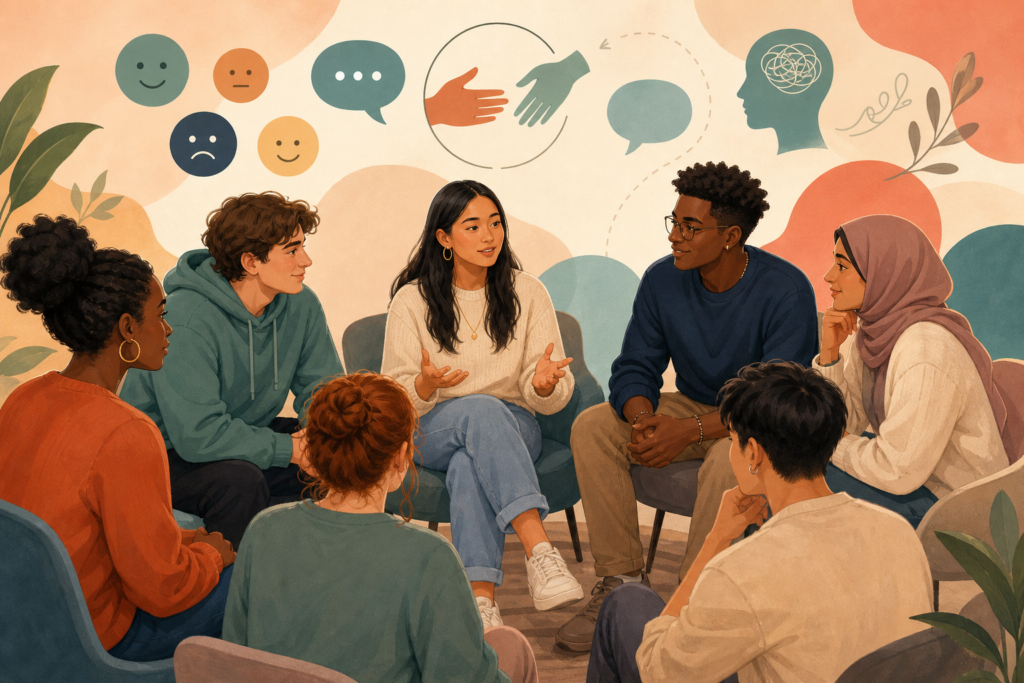
Webinar Module: Talk it Out, Your Starter Kit for Real Connection
A short practical course on dialogue, emotions and peer mediation. Learners explore how to handle tense conversations with more awareness, respect and structure, using simple tools such as advocacy and inquiry, FAIR communication, reflection and peer mediation basics.
Learn More
26
10